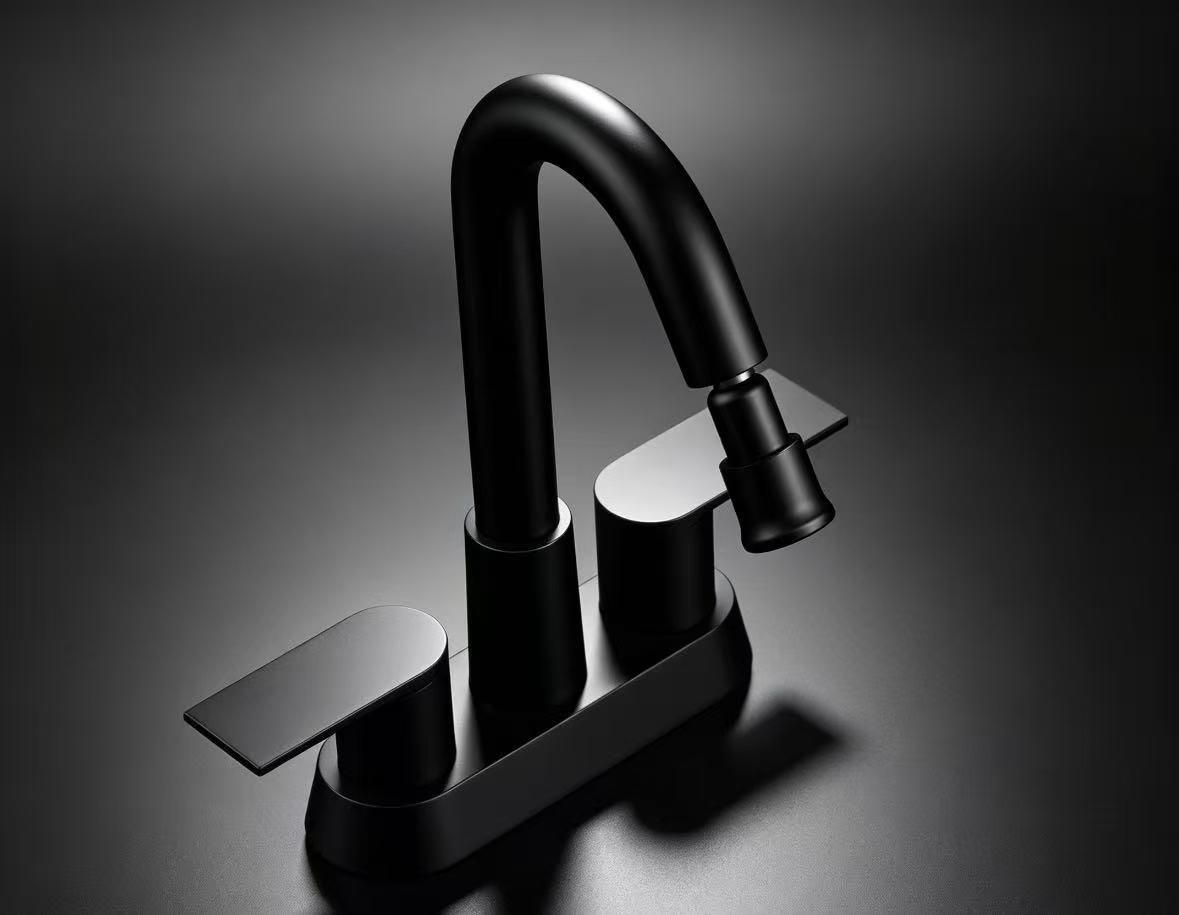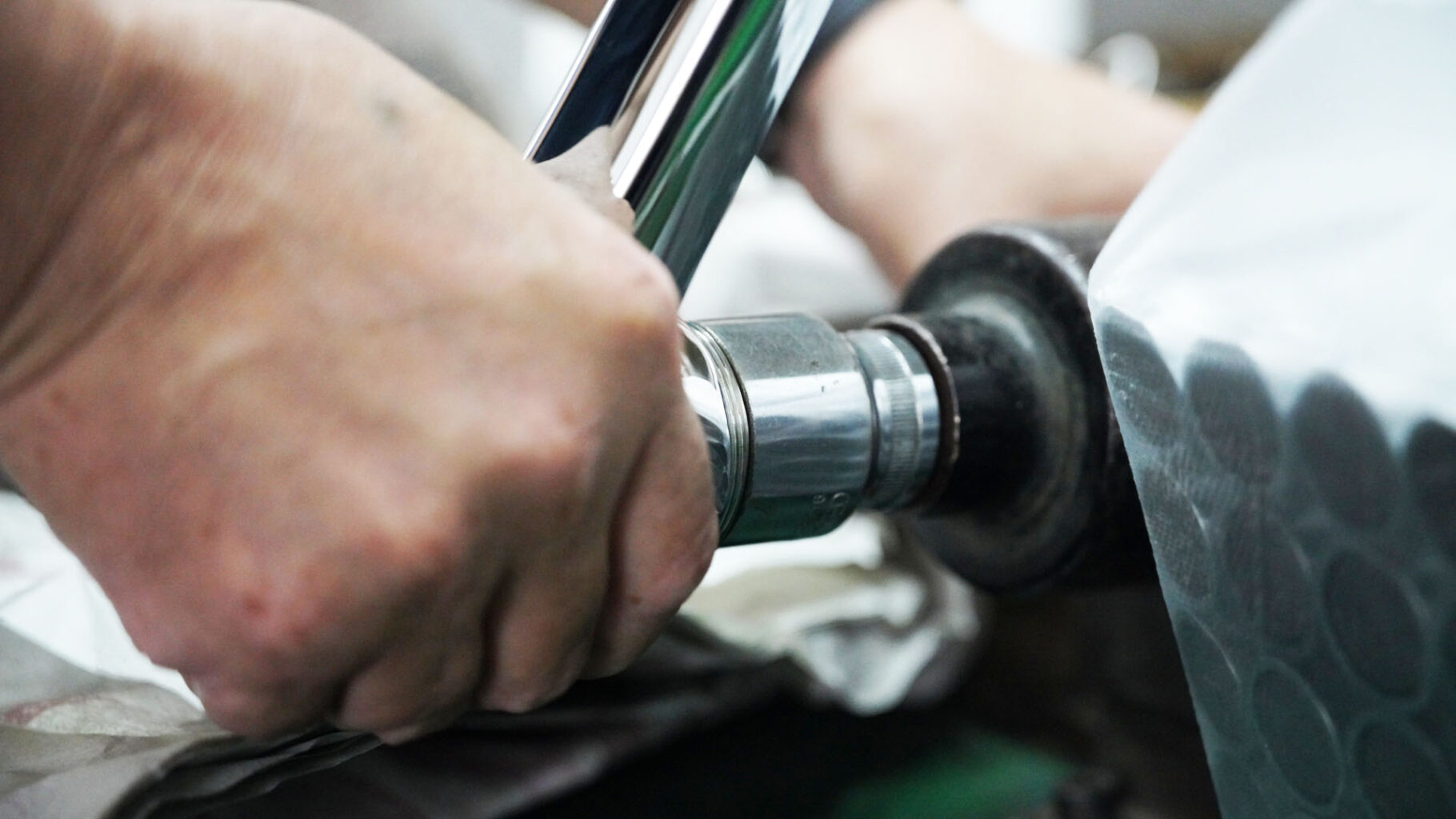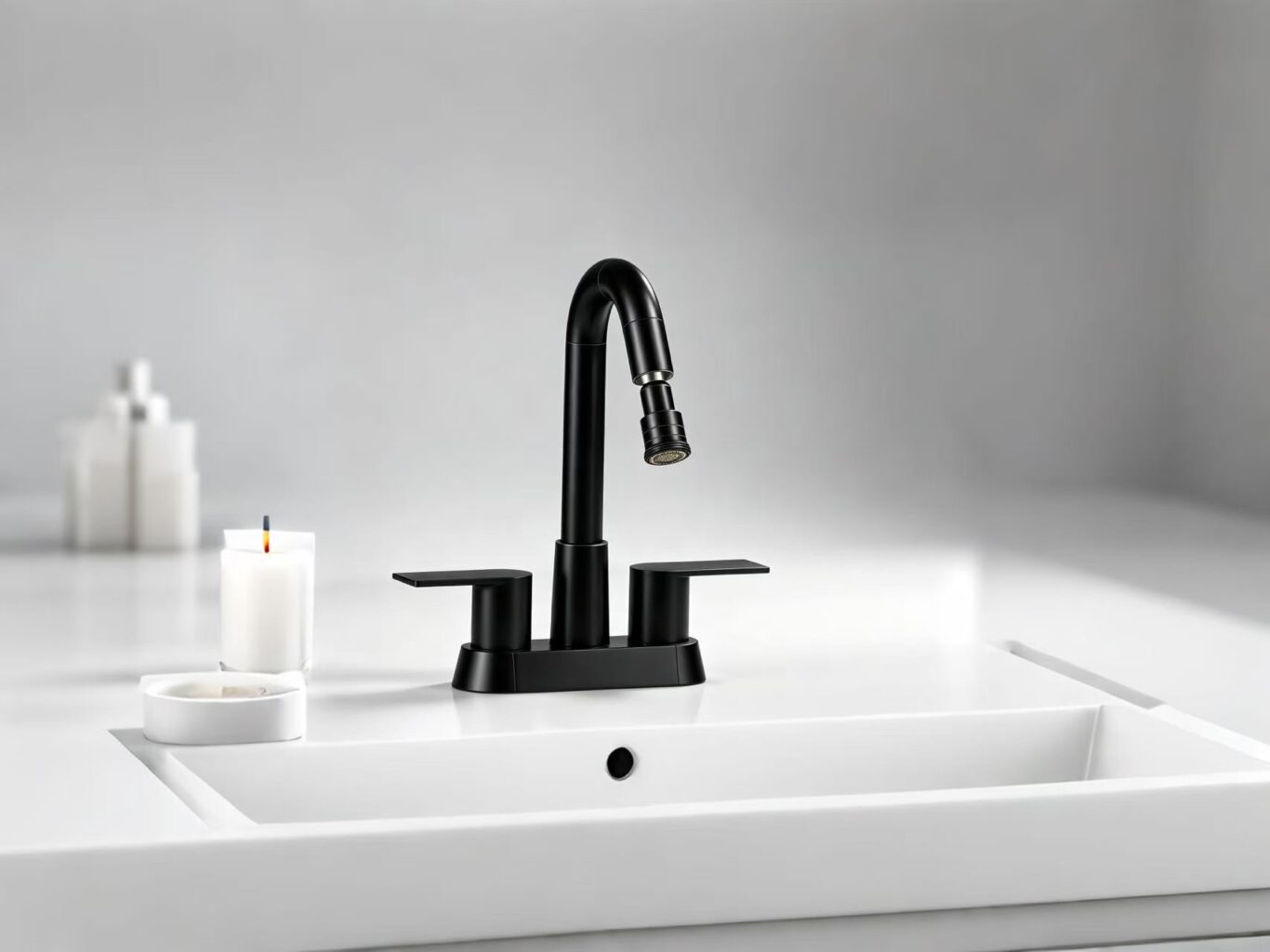
As a household fixture used daily, the performance of a faucet directly impacts our everyday well-being. A faucet that delivers a poor water flow when turned on, or continues to drip—refusing to shut off completely—can be a major source of frustration.
Choosing a high-quality faucet isn’t just a matter of luck. Many people shop based solely on appearance, only to regret it later when the unit begins to leak or splash water everywhere—often repeating the same mistakes during their next purchase.
Not sure how to choose the right faucet? Don’t worry—focus on these key elements to help you make the best selection.
Faucet Components
A faucet’s structure is relatively simple, yet the quality of its core components determines both its lifespan and user experience.
Valve Body
The valve body is the central chamber that controls water flow. Common materials include brass, stainless steel, and zinc alloy. National-standard lead-free brass offers excellent antibacterial properties and corrosion resistance, making it the preferred choice for high-end models. If environmental safety is a priority, 304 stainless steel is a great option. It is worth noting that zinc alloy—while inexpensive—is prone to corrosion and the leaching of impurities when in constant contact with water; therefore, it is not recommended.
Valve Cartridge
The valve cartridge regulates the flow of water and the mix of hot and cold temperatures. Ceramic cartridges are the industry standard; they are highly wear-resistant, capable of withstanding 500,000 cycles without leaking, and offer smooth, seamless operation. In contrast, inferior cartridges often become stiff or start dripping within six months, making them a major hassle to replace.
Aerator
Located at the spout, the aerator mixes water with air, creating a soft, splash-free stream while reducing water consumption by approximately 30%. A high-quality aerator ensures an even flow that feels gentle on the skin and prevents splashing, even at maximum pressure. Conversely, a poor-quality aerator produces an erratic, scattered stream that often splits or sprays water uncontrollably.
Selection Guide
Choosing the right model based on your specific installation location and usage needs can significantly enhance your daily experience. For a bathroom sink faucet, prioritize models with a low-lead brass body and a ceramic valve cartridge. The ideal spout height is 10–15 cm above the center of the basin—high enough to avoid awkwardness, yet low enough to prevent excessive splashing. A pull-out sprayer model is also highly recommended, as it makes cleaning the basin or washing your hair much easier.
For a shower faucet, choose one with a thermostatic valve cartridge. Its built-in temperature sensor automatically adjusts the mix of hot and cold water, ensuring a stable temperature even when water is being used elsewhere in the home. This prevents sudden, uncomfortable shifts between scalding hot and freezing cold water—a feature especially recommended for households with elderly individuals or children.
For a bathtub faucet, opt for a high-flow model—ideally one with a flow rate of at least 20 liters per minute—to ensure the tub fills up quickly. A model with a diverter allows you to easily switch between filling the tub and using a handheld showerhead.
For a laundry sink installed on a balcony, a basic cold-water-only faucet is sufficient. Look for one with an anti-corrosion surface coating; this provides better resistance to sun exposure, ensuring the finish won’t oxidize or peel over time.